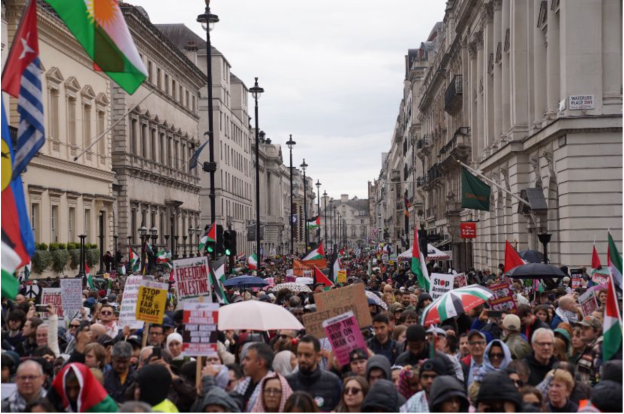
On this 78th anniversary of the Nakba for the Palestinians, l was thinking that if l were a Palestinian, quite honestly l would ask the British not to be involved again with them, given the critical role the British state has played in their plight since.
Essentially the British involvement in the Nakba—the 1948 displacement of over 700,000 Palestinians—stems from its role as the colonial administrator of Mandatory Palestine from 1920 to 1948. Thus Britain laid the groundwork for the displacement through policies that favoured Zionist state-building while marginalising the Arab population, occurring three distinct phases.
-
- The Balfour Declaration (1917): The British government officially pledged support for a “national home for the Jewish people” in Palestine, disregarding the rights of the overwhelming Arab majority.
- Mandate Policies: During the 1920s and 30s, Britain facilitated land purchases and Jewish immigration. It actively crushed the Arab Revolt (1936–1939), while simultaneously arming and training Zionist militias (like the Haganah) to protect British infrastructure. This inadvertently provided military training and tactical experience to future Israeli commanders.
- The 1948 Withdrawal: When Britain announced it was ending its mandate in 1947 and transferring the issue to the UN, it effectively abdicated its responsibility to protect Palestinian civilians. Over 400,000 Palestinians were displaced while tens of thousands of British troops remained in the country, doing little to halt the expulsions carried out by Zionist armed groups.
And finally to rub salt into the wound, the British rather reluctantly after many other European nation recognised the Palestinian behind many others only in 2025.
For a comprehensive breakdown of British policy during this period, explore the Britain and the Nakba coverage by Middle East Eye or consult the Question of Palestine resources provided by the United Nations.